blumapp integrates devices, people, sensors, software and existing infrastructure into a single realtime platform for safety, healthcare, automation, access control, IoT and mission-critical workflows.
BLE localization · Emergency workflow · Operator escalation
Calls, push notifications, SMS and operator routing
Complete traceability of events, actions and responses
Alarms, sensors, devices, software and operators often work in silos. The real challenge is not receiving an event, but orchestrating it correctly.

Different systems generate separate events without central governance.

Software, plants and devices speak different languages.

Incident handling slows down when information is not coordinated.

It is difficult to understand who did what and when during an emergency.
An enterprise platform that integrates critical events, workflows, notifications and audit trails into a single operational layer.

Devices, systems, software, sensors, locators and much more.

Central orchestration and decision engine.

Automated procedures, escalation and acknowledgement.

Push, SMS, calls, radio, email, automatic triggers and much more.

Complete traceability of events and actions.
blumapp adapts to different operational scenarios by integrating events, devices and workflows specific to each sector.

Lone workers, man-down alarms, BLE indoor localization, GPS tracking and HSE audit trails.

Nurse call, wandering, bed monitoring, smart care and caregiver workflows.

Badge, BLE and QR access, visitor management, evacuation and emergency presence verification.

PLC integration, protocols, machine alarms and industrial monitoring.

Fire safety, environmental sensors, intrusion detection and realtime emergency workflows.

Realtime tracking of assets, equipment, forklifts, devices and indoor/outdoor vehicles.

blumapp integrates APIs, realtime communications, BLE, GPS, IoT, SIP/VoIP and industrial protocols to orchestrate events from heterogeneous infrastructures.
blumapp integrates with existing ecosystems without proprietary lock-in, supporting heterogeneous brands, protocols and infrastructures.
Indoor localization and realtime presence.
Fall detection, presence and realtime behavioral monitoring.
Realtime communications and telephony integration.
Cloud, on-premise and API integration with enterprise ecosystems.
Intelligent correlation of events, anomalies and operational workflows.
Local realtime processing for industrial and mission-critical environments.
Operational dashboards, realtime KPIs and advanced multi-site monitoring.
Integration with industrial ecosystems, IoT, building automation and enterprise infrastructures.
blumapp integrates with existing infrastructures, devices, industrial plants, healthcare workflows and enterprise systems without replacing the ecosystems already in place.

Wearable safety device for healthcare, smart care and lone workers.
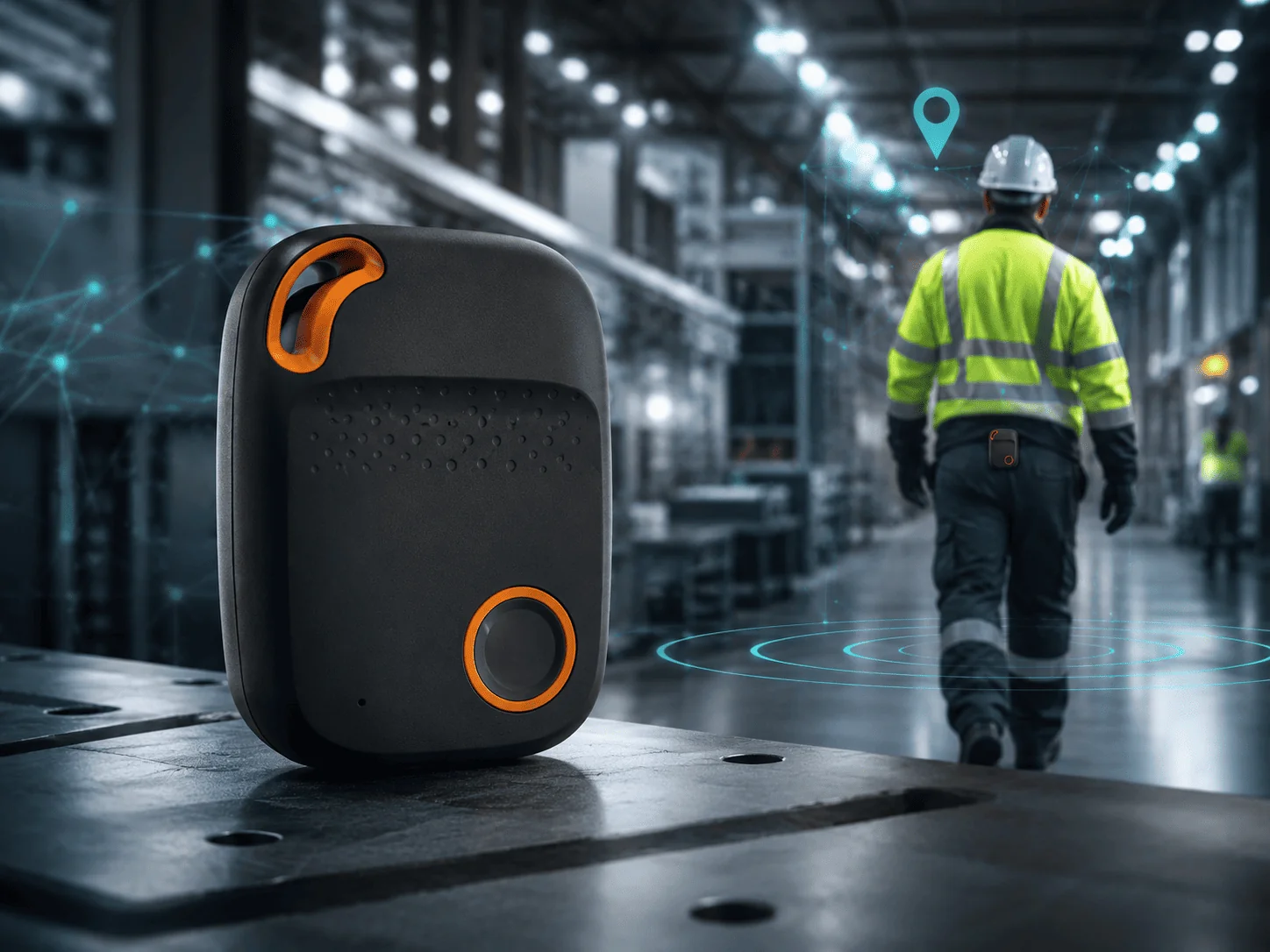
4G mobile device for SOS, man-down, no-motion and localization.

Mobile application for man-down alarms, SOS, workflows and realtime notifications.

Sensore contactless per RSA, cliniche e ospedali, integrato in blumapp.

Sensore radar mmWave per RSA, cliniche e ospedali, integrato in blumapp.

Board edge IoT per portare in blumapp contatti, seriali, protocolli, sensori e automazioni.

PC industriale fanless ad alte prestazioni: blumapp in versione hardware on-premise.

AI engine for event correlation, anomaly detection and intelligent realtime orchestration.

Operator safety, indoor localization and asset tracking for vehicles, equipment and operational areas.

Care homes, hospitals, clinics, caregiver workflows and realtime patient and care monitoring.

Real-time industrial event orchestration, machine alarms, safety and operating workflows.

Access control, yard management and realtime tracking across logistics areas.

blumit develops software platforms and integrated solutions for safety, healthcare, automation, access control and realtime event orchestration.
Platforms designed for high-criticality operational environments, safety and service continuity.
Integration with existing ecosystems, distributed infrastructures and complex multi-site environments.
Continuous development of realtime technologies, AI, IoT, smart care and intelligent workflows.
Technical support, operational continuity and evolutionary management for mission-critical enterprise environments.
Tell us about your operational scenario: safety, healthcare, IoT, access control or industrial automation.
blumit’s solution detects critical events such as falls, immobility, manual SOS, no-motion conditions and missed operator responses, turning them into a traceable operational workflow with localization, notifications, escalation, acknowledgement and audit.
Falls, immobility, SOS and missed responses must become manageable events, not isolated notifications.
blumapp combines event source, area, shift, priority, available channels and response groups.
Each step can be tracked for internal reviews, safety procedures and continuous improvement.
A more complete Man Down process: from device or app to acknowledgement, escalation and documented closure.
blumapp can integrate blumit modules such as blumini, bluwatch and bluman, professional devices such as Teltonika GH5200, multi-brand DECT/IP DECT terminals, Man Down radio devices, BLE beacons, GPS, PBX/SIP, APIs, webhooks and existing corporate safety systems.
The event can be associated with an area, department, floor, technical zone, asset, BLE gateway, GPS position or logical context. The goal is not only to know that something happened, but to understand where to intervene and who must be involved.
Rules can change by shift, department, risk level, on-call group or priority. Every step can be recorded to support internal reviews, HSE audits, response-time analysis and procedure improvement.
No. blumit follows a multi-source approach: the project can start from blumit devices, existing customer devices or technologies selected together with the client.
Yes, when compatible interfaces are available: terminals can act as event sources or receiving channels for calls, messages and escalation.
Yes, depending on the project: BLE, gateways, logical areas, maps, departments and operational data can help contextualize the event.
Yes. blumapp can record event, location, notifications, acknowledgement, escalation, response times and closure.
blumapp integrates nurse call systems, smoke detection, resident and patient monitoring, wandering prevention, smart care devices and existing healthcare infrastructure, turning every signal into an operational workflow with notifications, acknowledgement, escalation and audit. The approach is multi-brand and multi-technology: the goal is to enhance existing infrastructure, not force a single vendor.
Nurse calls, sensors, bed alerts, wandering and care requests often come from different systems.
blumapp normalizes events and routes them to operators, departments, caregivers, phones, displays or dashboards.
The organization can reduce dispersion, delays and manual steps while keeping a searchable history.
The goal is to turn heterogeneous care signals into workflows that are easy to manage, assign and verify.
blumapp can receive events from nurse call systems using different technologies and vendors, including existing installations. Integration is assessed through the available interfaces: dry contacts, buses, serial protocols, network interfaces, radio, LoRa, Modbus, NFC, APIs, webhooks or other accessible technical channels.
Events can trigger phone calls, text messages on DECT devices, smartphones or pagers, event visualization on monitors, push notifications on mobile apps, corridor lights and other channels selected for the facility.
Care staff can store, acknowledge or reject an event. If the event is not handled within configured timing rules, blumapp can notify again, involve other operators or start an escalation cascade.
The platform can monitor gates, indoor and outdoor areas, rooms, gardens and sensitive zones through RFID, BLE, GPS, door contacts, third-party systems or blumit devices, generating an alarm when a resident leaves predefined areas.
NOX and LOCUS enable contactless monitoring scenarios: bed presence, sleep quality, heart and respiratory rate, falls, wandering, sedentary behavior, prolonged presence in specific areas and behavioral anomalies.
Alarms from fire panels or smoke detection systems can be routed into the same workflow, using notification logic similar to nurse call and maintaining one operational orchestration layer.
Not necessarily. blumapp is designed to integrate new technologies and existing systems when usable signals, protocols or interfaces are available.
Yes. Notifications can be simultaneous or cascaded, with different groups based on date, time, department, shift and availability.
Yes. Monitoring can be indoor or outdoor through gates, areas, RFID, BLE, GPS, door contacts, blumit devices or third-party systems.
Yes. blumapp can store the full event cycle: opening, alerts, acknowledgement, room presence, escalation, notes and closure.
Access control is not only about opening a gate: it means knowing who enters, where they can go, how long they stay, which areas they occupy and what happens during an emergency. blumapp connects access, presence, visitors, authorizations and evacuation into an operating workflow, turning every entry, exit or anomaly into a manageable and traceable event.
Access, visitors, badges, QR codes and authorized areas must be linked to rules and responsibilities.
blumapp can integrate access control, presence, reception totems, visitor logs and evacuation registers.
The company knows who is present, where people can go and who must be considered during an emergency.
Access control becomes part of a wider digital process: entry, presence, authorization, emergency and traceability.
The platform can work with RFID and NFC readings, physical badges, BLE tags, beacons, UWB, QR Codes, smartphone apps, keypads, readers, gateways and existing access control systems. Integration is designed project by project, using protocols, contacts, APIs, databases, network interfaces or other available signals.
With BLE tags, badges, badge holders and IoT gateways, blumapp can detect presence in indoor areas, operational zones, departments or muster points. Gateways can be connected through Ethernet, Wi-Fi or mobile data and configured as presence points.
QR Codes and mobile apps enable flexible scenarios: visitor invitations, fast registration, temporary access, check-in/check-out, identification through kiosks or smartphones and digital credentials without rigid infrastructure.
Kiosks can manage visitor registration, QR Code entry, exit, appointment creation, QR delivery by e-mail and automatic host alerts through e-mail, phone call or other configured channels.
During an emergency, blumapp can provide immediate presence lists available from PCs, smartphones and tablets or through automatic paper prints. Marking at the muster point helps distinguish located, missing and safely registered people.
The logic is not bound to one vendor. blumapp can communicate with compatible access, evacuation, visitor, turnstile, gate, database, API, IoT and automation systems when accessible technical interfaces are available.
Not necessarily. blumapp can integrate existing installations when usable signals, protocols, databases, APIs or technical interfaces are available.
Yes. RFID, NFC, BLE, UWB, QR Code, smartphone apps, kiosks and badges can coexist in the same operational workflow.
Yes. The platform can generate presence lists, manage muster points, record markings and make data available by web dashboard or automatic print.
Yes. Entries, exits, accesses, appointments, visitor registrations, markings and actions can be stored and consulted with credentials.
blumapp connects sensors, PLCs, machines, SCADA systems, industrial protocols, IoT gateways, databases and business software, turning technical signals and process data into operational events managed through rules, notifications, automations, integrations and audit. The goal is not to add another vertical dashboard, but to create an orchestration layer able to connect heterogeneous technologies with real operational processes.
Sensors, machines, PLCs, SCADA systems, protocols and databases often generate separated data.
blumapp interprets technical signals, applies thresholds and logic, then triggers automations or notifications.
Each event can become a call, script, message, IoT command, query or operational workflow.
IoT becomes more than a set of sensors: it becomes a decision, action and audit system connected to business processes.
blumapp can read data from PLCs, SCADA systems and industrial supervisors to generate proactive alerts and manage machine states, anomalies, thresholds, stops, faults, production cycles and operational conditions relevant to maintenance, safety and process continuity.
The platform can integrate protocols and interfaces such as Modbus, BACnet, OPC UA, Profinet, MTConnect, TCP/UDP, HTTP, REST APIs, webhooks, MQTT, TCP sockets, databases, SQL queries and custom integrations, according to the interfaces available in the project.
Temperature, humidity, gas, oxygen, pressure, door opening, electrical contacts, analog thresholds and digital states can become managed, correlated and notified events, avoiding isolated signals inside panels or separate software.
blumapp can work with industrial gateways, appliances, IoT devices, field boards and edge connectors to acquire local signals, normalize data and forward them to dashboards, workflows, APIs, cloud or on-premise systems.
Each event can trigger actions: calls, e-mails, SMS, push notifications, terminal messages, I/O commands, relay outputs, scripts, APIs, SQL queries, display messages, mechanical actions, IoT automations or third-party software integrations.
Every input, filter, decision, output and outcome can be catalogued in the database. This makes it possible to reconstruct the origin of the event, verify generated actions and analyze timing, responsibilities and process behavior.
No. The correct approach is to integrate them when accessible interfaces exist: protocols, serial lines, contacts, network, databases, APIs, files, brokers or gateways.
Yes. Digital states, contacts, analog thresholds, sensor values, machine states and process data can be normalized as blumapp events.
Yes, when the project allows it. An event can generate outputs toward I/O, APIs, automations, scripts, software systems, devices or actuators, always with configured logic and traceability.
Yes. blumapp can be deployed in cloud, on-premise, on a physical or virtual server, as an appliance or in an edge architecture, according to the customer's constraints.
In critical buildings, risk often comes from fragmentation: plants, sensors, panels, gates and technical systems report anomalies, but they do not always communicate with each other. blumapp collects these events, contextualizes them by area and priority, and turns them into notifications, escalation, intervention procedures and audit, making safety management more coordinated and verifiable.
Fire, intrusion, gas, temperature, gates and technical alarms often communicate through different channels.
blumapp collects anomalies and plant signals, contextualizes them and activates dedicated workflows.
Operators and managers receive clearer events with priority, context and action history.
A critical building becomes easier to read: technical events, people and procedures are coordinated by one operational logic.
Events from fire panels, manual call points, smoke detectors, heat detectors or field modules can be routed into blumapp and managed through notifications, escalation, dashboards, maps, I/O outputs and configurable operating procedures.
The platform can manage minimum, maximum or anomaly conditions from temperature, humidity, oxygen, gas, carbon monoxide, methane, ammonia, pressure, air-quality or other technical sensors, turning data into an operational event.
Door contacts, barriers, volumetric sensors, intrusion systems, technical accesses and restricted areas can generate events correlated with schedules, authorizations, people presence, priorities and intervention procedures.
blumapp can communicate with building and building-management systems through available protocols and interfaces, including BACnet, Modbus, SNMP, MQTT, REST APIs, webhooks, Socket TCP, contacts, serial interfaces and databases.
An alarm does not remain confined to a control panel or local system: it can trigger calls, messages, push notifications, monitor views, automations, output activation, operating instructions and progressive involvement of the right groups.
Every alarm datum, generated action, result, acknowledgement and closure can be stored in the database, making it possible to reconstruct the event source, decision path and intervention timings.
No. The goal is to integrate what is already installed when usable signals, protocols or interfaces are available.
Yes. Projects can often use dry contacts, serial interfaces, gateways, I/O modules, database reads, network communication or custom logic designed around the real case.
Yes. blumapp can apply rules based on thresholds, zones, schedules, priorities, people presence and the status of other systems to decide the correct action.
Yes. The platform can record source, data, actions, notifications, escalation, acknowledgement, notes and event closure.
blumapp collects localization, presence, proximity and movement data from assets and vehicles, turning it into a single operational view. The platform is multi-technology and multi-brand: it can integrate GPS, BLE, UWB, RFID, NFC, Wi-Fi, LoRa, mobile-network trackers and other sources to track fixed or mobile assets, indoor and outdoor, with alarms, search, geofencing, history and automated workflows.
Equipment, vehicles and tools can be difficult to locate and manage across indoor and outdoor areas.
blumapp can integrate GPS, BLE, gateways, tags, beacons, logical areas and third-party data.
Localization can trigger alerts, notifications, automations and historical consultation.
Tracking becomes operational: not only knowing where an asset is, but using that location to activate processes.
For equipment, devices, forklifts, trolleys, tools, internal containers, beds, hospital carts or critical assets, blumapp can use BLE, UWB, RFID, NFC, Wi-Fi or other technologies to understand where assets are, which area they are in and where they were last seen.
For vehicles, trailers, containers, mobile equipment or distributed assets, the platform can receive GPS and mobile-network data, generating maps, movement history, geofences, stops, area entry/exit events and anomaly alarms.
There is no single technology that fits every use case. blumapp allows multiple sources to be combined based on required precision, coverage, battery life, cost, indoor/outdoor context, update rate and asset type.
The platform helps teams quickly find assets, reduce search times, understand whether a device is present or missing, identify assets left in the wrong area and improve operational availability, safety and resource utilization.
An asset can generate events when it leaves an area, enters an unauthorized zone, is not detected for a certain time, moves outside allowed schedules, changes status or requires attention. These events can trigger notifications, escalation, automations and integrations with third-party software.
Every position, event, status change and resulting action can be historized for audit, analytics, movement reconstruction, operational KPIs and process optimization.
Yes. blumapp can manage equipment, devices, forklifts, trolleys, vehicles, trailers and other mobile assets, in indoor, outdoor or hybrid scenarios.
No. The platform is designed to integrate different technologies and select the most appropriate one for each case, or combine them within the same project.
Yes. Zones, thresholds, time rules, restricted areas, absence conditions or movement rules can trigger notifications, workflows or automations.
Yes. Last position, movement history, dwell times, events and activities can be recorded and reviewed for analytics and audit.
bluwatch is a safety wearable with 4G LTE connectivity, localization and SOS features, designed for lone workers, maintenance teams, field technicians, mobile staff, care-home residents and hospital patients. Connected to blumapp, it is not a standalone device: every SOS, fall alert, area exit, position update or relevant signal is acquired by the platform and turned into an operational event with workflows, notifications, escalation, acknowledgement and audit.
4G smartwatch for SOS, localization and monitoring in industrial or assisted-care environments.
It can feed workflows with position, alerts, calls, notifications and acknowledgement.
Operators or assisted people can generate events without interacting with complex systems.
bluwatch is useful when a wearable device must be connected to the platform and integrated into existing workflows.
The SOS button can trigger a help request with position and event details. Built-in microphone and speaker allow two-way voice communication with supervisors, control rooms, colleagues, healthcare staff or intervention groups.
The device can send alerts in case of potential fall, collision or abnormal situation. In blumapp the alarm is contextualized by area, role, priority and scenario, so it does not remain a simple device alert.
Localization makes it possible to monitor position, define virtual areas and receive events when the device enters or leaves operating zones, wards, controlled areas or risk areas.
Depending on model and configuration, bluwatch can support heart rate, blood oxygen, step counting and reminders. In blumapp these data become operational signals supporting safety and assisted-care workflows.
The device supports 4G LTE mobile connectivity, GPS/GLONASS/Beidou, Wi-Fi and BLE. This enables outdoor, indoor or hybrid scenarios, always with event acquisition and management inside blumapp.
bluwatch can be correlated with maps, on-call groups, calls, SMS, push notifications, APIs, plant alarms, access control, evacuation and other platform events.
No. It has a smartwatch format, but when integrated with blumapp it becomes a safety event source with SOS, localization, communication and workflows.
Yes. It can combine GPS, mobile network, Wi-Fi, BLE, beacons and other infrastructure available in the project.
Yes. Fall, area exit, position and other signals can be acquired by blumapp and managed with rules, notifications and escalation.
blumapp turns the device signal into an operational process: it notifies the right people, applies escalation, records outcomes and makes the full event reconstructable.
blumini is a 4G safety mobile device designed for lone workers, maintenance operators, field technicians, operational staff, care-home residents and hospital patients. The device can generate SOS events, calls, messages, position data, fall alarms, no-motion alarms and geofence events; blumapp acquires them and turns them into coordinated workflows with notifications, escalation, groups, acknowledgement and audit.
Designed for SOS, no-motion, localization and communication in mobile scenarios.
Events can be sent to blumapp for notifications, escalation and dashboard consultation.
It supports technicians, maintenance teams, operational staff and scenarios where a smartphone is not enough.
blumini makes personal alarms and localization easier to deploy in mobile or distributed scenarios.
By pressing the SOS button, blumini can trigger a help request with call, SMS, GPRS data and alarm and position information. In blumapp the event is routed to the correct workflow.
The device supports two-way voice communication: the user can quickly call predefined contacts and can also be called back, turning an alarm into immediate operational contact.
Integrated sensors can detect a fall and automatically trigger the alarm. An event can also be generated when no movement is detected for a configurable period.
blumini supports GPS, BLE, Wi-Fi and LBS and can generate alerts when entering or leaving operating areas, wards, authorized zones or risk areas.
The TTS function can provide intelligent voice messages and important information, making the device easier to understand during operations, emergencies or fragile situations.
With blumapp, the blumini event can trigger calls, notifications, SMS, groups, APIs, maps, escalation and HSE or assisted-care procedures together with the platform’s other critical events.
No. In addition to SOS, it can support fall detection, no-motion, geofencing, localization, two-way calling and signals useful to blumapp workflows.
Yes. 4G connectivity and localization technologies make it suitable for mobile operators, large areas, wards, industrial sites and distributed environments.
Yes. The target order is clear: first lone workers and operators, then care-home residents and hospital patients.
Yes. The goal is to acquire the event and turn it into a traceable process with notifications, escalation and reviewable history.
bluman is blumit’s Android app designed to turn a smartphone into a safety device for lone workers, maintenance operators, field technicians and mobile staff. The app manages illness, accident or emergency situations and sends events to blumapp, where SOS, no-motion, tilt, improper zone, supervision alarms or out-of-range conditions become operational workflows with localization, notifications, escalation, acknowledgement and audit.
Turns an Android phone into an event source for SOS, tilt and no-motion conditions.
The logic can include analysis time, audible pre-alarm and alarm sending to blumapp.
Useful when starting from existing devices or from a software-based rollout.
bluman introduces Man Down functions without immediately binding the project to one dedicated hardware device.
The operator can trigger a help request through the app’s SOS button or the volume + key. The event is transmitted to blumapp with the available information and can activate the workflow configured for that area, shift or group.
bluman can manage configurable no-motion and tilt alarms, useful when the operator is no longer able to manually press a button. Analysis time and pre-alarm time can be configured before sending the event.
Before sending the final alarm, the app can produce a local sound and visual alert, for example by making the phone emit a loud sound or flashing the camera light.
Position can be determined through GPS, beacons, Wi-Fi access points and the MLI system, enabling outdoor, indoor or hybrid scenarios depending on available infrastructure.
The solution can manage events such as out-of-range device, supervised system or improper-zone alarm, so blumapp receives not only manual alarms but also operational monitoring signals.
Alarm data can be transmitted from bluman to blumapp through SMS, mobile data network or Wi-Fi, allowing the platform to trigger calls, messages, push notifications, groups, maps, APIs and audit.
No. bluman is an app that can be installed on a compatible Android smartphone, useful when a phone must become a safety event source integrated with blumapp.
No. In addition to manual SOS, it can manage no-motion, tilt, improper zone, supervision and other configurable signals.
No. It can use GPS, beacons, Wi-Fi access points and the MLI system, according to the project and operating environment.
Yes. blumapp can record source, position, transmission, notifications, escalation, acknowledgement, timings and event outcome.
nox is a contactless sensor designed for bed monitoring in care homes, nursing facilities, clinics and hospitals. It can detect bed presence, bed exit, heart rate, respiration, rest quality and abnormal conditions without requiring the patient or resident to wear a device. Integrated with blumapp, every event becomes an operational workflow: staff notification, escalation, acknowledgement, possible correlation with nurse-call systems and complete audit.
Designed for care environments without requiring residents or patients to wear devices.
It can detect bed presence, bed exit, respiration, heart rate and abnormal conditions.
Events can trigger notifications to caregivers, departments, dashboards and internal procedures.
nox connects discreet bed monitoring to blumapp’s operational capability: event, priority, acknowledgement and history.
nox enables remote contactless monitoring of bed-related presence and parameters, reducing the need for the resident or patient to wear devices and limiting the impact on facility routines.
The sensor can generate events when the resident or patient leaves the bed, remains absent beyond a configured threshold or shows rest conditions that do not match the configured rules.
The solution can detect heart rate, respiration and rest quality, turning relevant anomalies into operational signals managed by blumapp.
The sensor is installed near the bed and oriented toward the user’s chest to achieve correct performance. Configuration and positioning depend on the room, bed and Wi-Fi coverage of the facility.
nox events can be correlated with room presence, staff acknowledgement and existing nurse-call systems when usable interfaces, signals or protocols are available.
An event can trigger calls, SMS, push notifications, staff-device messages, monitor views, guide lights, APIs, group escalation and complete database recording.
No. It is a contactless sensor: the value is monitoring the bed without asking the resident or patient to wear a device.
Bed presence, bed exit, prolonged absence, prolonged rest, abnormal parameters, respiration, heart rate and device-offline events.
Yes. blumapp can correlate nox events with nurse call, room presence, notifications, groups and other systems when usable interfaces are available.
Yes. blumapp can record opening, notifications, acknowledgement, presence, escalation, timings, closure and data useful for audit.
locus is an mmWave radar sensor designed to monitor assisted-care environments in care homes, nursing facilities, clinics and hospitals. Unlike wearable devices, it can detect presence, movement, falls, abnormal dwell times and behavioral patterns without requiring the resident or patient to wear a device. Integrated with blumapp, every detection becomes an operational event managed through rules, notifications, escalation, acknowledgement, correlation with other systems and complete audit.
Detects presence, movement and abnormal situations without direct contact with the person.
Supports scenarios where the organization must understand whether a situation requires attention.
blumapp turns detection into coordinated and searchable actions.
locus is suitable when non-invasive environmental monitoring must be connected to notifications, escalation and traceability.
locus can generate alerts in case of fall or high-risk event, without requiring bracelets, buttons or wearable devices. In blumapp the alarm can be routed to the right staff with defined priority and procedures.
The sensor can monitor room presence, movement, reduced mobility, prolonged sedentary behavior, excessive time in bed or abnormal dwell times, turning relevant changes into manageable events.
In assisted-care contexts it can contribute to monitoring abnormal behavior, day or night wandering, prolonged absences and attempts to leave predefined areas.
Available functions depend on the configured environment, such as bedroom, bathroom, common room, office or other area. Height, angle, line of sight and stable Wi-Fi are important for reliable detection.
The system can learn the layout of the environment and the daily routines of the monitored person, improving accuracy and the ability to identify significant changes over time.
locus events can trigger notifications, calls, SMS, staff-device messages, monitor views, guide lights, APIs, escalation groups, acknowledgement and complete database recording.
No. It is a contactless radar sensor: it monitors the environment without asking the resident or patient to wear a device.
Fall, presence, movement, wandering, sedentary behavior, prolonged rest, prolonged absences, abnormal activity and device-offline events.
It must be designed correctly: line of sight, height, angle, obstacles and stable Wi-Fi affect performance and accuracy.
Yes. blumapp can record event, area, notifications, escalation, acknowledgement, timings, outcome and history for audit and analysis.
blumapp IoT board is an edge IoT board designed to connect the physical and plant world to blumapp. It can collect inputs from contacts, sensors, serial lines and protocols, drive outputs and actuators, normalize events at the network edge and send them to blumapp locally or in the cloud through Ethernet or Wi‑Fi. It is the operational bridge that turns “anything generating a signal” into a traceable, notifiable and automatable blumapp event.
Collects contacts, sensors, serial lines, protocols and field signals.
Can bring technical events, states, thresholds and automation commands into blumapp.
Connects physical systems and software without rebuilding the whole plant.
The board brings blumapp closer to the field: inputs, outputs, protocols and automations become part of the workflow.
The board can be designed to acquire events from dry contacts, digital inputs, sensors, technical alarms, machines, fire panels, security systems, BMS, PLCs or legacy devices.
In addition to collecting data, it can drive outputs, relays, contacts, actuators, sirens, lights, gates, signaling devices or commands toward other equipment, turning blumapp into a bidirectional orchestration engine.
The board can communicate with equipment through RS232, RS485, Modbus, BACnet or other configurable protocols, acting as an edge adapter between heterogeneous systems and blumapp.
For advanced software and IoT scenarios, the board can exchange events and commands through MQTT, REST APIs, sockets and WebSockets, adapting to real-time integrations, cloud systems, local applications and middleware.
It can communicate with blumapp deployed on-premise, on an appliance, in a data center or in the cloud. Ethernet and Wi‑Fi connectivity allow the architecture to match security, latency and operational-continuity requirements.
At the network edge, signals can be filtered, normalized, timed, debounced, buffered or aggregated before being sent to blumapp, reducing operational noise and making events more reliable.
No. The logic is bidirectional: it can acquire inputs and, when the project requires it, drive outputs, actuators, contacts or protocols.
No. It can work with blumapp locally, in the cloud or in hybrid architectures, using Ethernet or Wi‑Fi depending on the available infrastructure.
Yes. Its value is creating a bridge between contacts, serial lines, protocols, existing equipment and modern blumapp workflows.
blumapp receives them, normalizes them into its ecosystem and can manage them with rules, notifications, escalation, automation, reports and audit.
blumapp appliance is a high-performance fanless industrial PC designed for all cases where a virtual server or cloud installation is not possible or not desired. It is essentially blumapp in hardware form: an edge/on‑premise node ready to be installed on site, connected to field systems and used as the local orchestration center for events, alarms, devices, protocols and mission‑critical workflows.
Fanless industrial PC for edge, on-premise or environments where cloud is not preferred.
Can be placed at the customer site, technical cabinet, production site or distributed environment.
Reduces infrastructure dependencies and simplifies deployment in industrial contexts.
The appliance is the concrete choice when the platform must be ready, local and controlled within the customer perimeter.
When the customer does not have suitable virtualization, does not want to expose services to the cloud or requires a dedicated physical installation, the appliance brings blumapp directly into the operating site.
The fanless industrial format reduces moving parts, noise and mechanical maintenance, making the device suitable for technical environments, cabinets, panels, local server rooms and continuous installations.
The appliance can be connected to Ethernet networks, USB peripherals, serial interfaces, edge devices, gateways, IoT boards, automation systems and existing equipment according to the project architecture.
It is not just a PC: it is the local point where blumapp receives events, applies rules, triggers notifications, manages escalation, exposes dashboards, records data and coordinates outputs toward people and systems.
The appliance can work as a fully local node or integrate with cloud services, VPNs, APIs, enterprise systems and hybrid architectures, keeping operational control close to the field.
It is ideal for organizations with IT constraints, security policies, remote sites, industrial plants, healthcare facilities, segregated networks or environments requiring a ready, physical and governable platform.
No. It is an industrial appliance designed as the hardware foundation for blumapp, ready to become the local node for the platform and its integrations.
No. It can operate locally. When the project requires it, it can also integrate with cloud services, VPNs, APIs or hybrid architectures.
Yes. The goal is to connect to networks, devices, gateways, serial lines, IoT boards, protocols and third-party systems according to the project architecture.
Because in many contexts a VM is not available, not allowed or not ideal. The appliance provides a physical, local and controllable way to bring blumapp into the field.
blumit AI engine is the intelligent layer of the blumapp ecosystem: it does not replace operating rules, protocols or company procedures, it enhances them. It analyzes events, alarms, sensors, devices, history, schedules, areas, priorities and recurring behaviors to help blumapp distinguish operational noise from truly important signals, suggest correlations, highlight anomalies and make workflows more effective.
Analyzes signals, patterns, repetitions and correlations to help interpret what is happening.
It does not remove rules and procedures: it enhances them with priorities, suggestions and context.
Helps operators and managers distinguish noise, recurrences and truly critical situations.
The AI engine makes orchestration more intelligent while keeping operational control within the organization.
An isolated alarm says little; a sequence of events can say a lot. AI engine helps correlate events from man-down, access control, IoT, building safety, healthcare, asset tracking, industrial protocols and enterprise systems.
In complex environments many events are repetitive, technical or low relevance. The AI layer can help highlight what deserves attention, group similar events and make dashboards more readable for operators and managers.
Historical and pattern analysis can help identify out-of-normal behavior: sensors changing frequency, areas with unusual recurrence, unstable devices, rising alarm volumes, abnormal response times or situations requiring investigation.
Not every event has the same weight. AI engine can support priority classification by considering event type, area, schedule, impact, repetition, operator availability and correlations with other signals.
AI should not “decide instead of the organization”: it can suggest the path most consistent with configured rules, highlight recommended escalation, provide useful context and help operators intervene faster.
Over time, blumapp can build operational memory of events: what happens often, where it happens, how long it takes, with which outcomes and which combinations are most critical for safety, continuity and service quality.
No. The right model is human-in-the-loop: AI supports analysis, prioritization and correlations, while rules, responsibilities and actions remain governed by blumapp and the customer’s procedures.
No. The value is bringing intelligence into the workflow: clearer events, clearer priorities, more visible anomalies and better-supported operators.
No. Depending on architecture, it can be designed for cloud, edge, on‑premise or hybrid scenarios, aligned with security, privacy and operational continuity.
Yes, but its value grows when blumapp orchestrates multiple sources: sensors, devices, protocols, plants, access control, safety, healthcare and automation.
In an automotive plant, the critical point is never a single alarm: it is the ability to understand what is happening across production lines, operators, vehicles, technical areas and emergency procedures. blumapp turns safety signals, indoor localization, asset tracking, access control and evacuation into a unified workflow, where every event is routed, acknowledged and traced.
People, vehicles, lines and technical areas generate events with different priorities.
blumapp connects safety, access, alarms, tracking and departmental workflows.
Events become understandable and manageable by operators and managers.
In automotive, the value lies in coordinating people, vehicles and procedures, not in displaying one isolated alarm.
An automotive plant is a heterogeneous ecosystem: mobile operators, maintenance teams, forklifts, trolleys, production lines, warehouses, hazardous areas, access points, technical plants and industrial systems that often do not speak to each other.
Events are distributed: a safety alarm comes from a device, a machine anomaly from a PLC, an access event from a gate, an asset from a BLE/UWB/RFID tag, an emergency from a separate procedure. Without orchestration, reaction time and traceability become weaker.
blumapp can integrate man‑down devices, apps, wearables, radios, DECT, smartphones and other systems to manage SOS, fall, no motion, lone worker, missed response or operator position.
The platform can receive data from BLE, UWB, RFID, GPS or gateways to localize equipment, vehicles, forklifts, trolleys and critical assets, both indoor and outdoor, with geofences and history.
Access events, presence, badges, QR, NFC, BLE or third-party systems can be correlated with presence lists, areas, assembly points, evacuation and emergency procedures.
Through IoT boards, appliances or software integrations, blumapp can acquire events from contacts, RS232/RS485, Modbus, BACnet, PLCs, SCADA, BMS, sensors and existing industrial systems.
Critical events do not remain isolated inside a single device or plant: they are routed to the right people and groups.
Dashboards, maps, event status and history help managers and control rooms understand what is happening.
Every step can be recorded: opening, notification, acknowledgement, escalation, closure and response times.
No. The value is integrating what already exists when usable signals, contacts, protocols, APIs or interfaces are available.
Yes. It can start from worker safety, asset tracking, access control, evacuation or technical alarms and then gradually extend the orchestration.
In care homes, nursing facilities, clinics and hospitals, care quality depends on turning different signals into fast, coordinated and traceable actions. blumapp can orchestrate nurse-call events, contactless sensors, fall detection, bed presence, bed exit, SOS devices, localization, access control, evacuation, staff notifications, escalation and audit within a single integrated platform.
Calls, sensors, alerts, patients and caregivers require clear timing and priorities.
blumapp routes events to operators, departments and communication devices.
Acknowledgement and event closure become easier to verify.
In healthcare, the platform helps turn alarms and requests into more orderly care processes.
A healthcare facility is made of wards, rooms, beds, operators, residents, patients, caregivers, devices and plants that continuously generate events. The challenge is not only receiving the alarm, but understanding who should receive it, with which priority and through which procedure.
Nurse call, bed sensors, falls, access events, technical alarms, staff presence and communication systems often live on separate platforms. This makes acknowledgement more complex and event reconstruction harder.
blumapp can integrate contactless sensors such as nox and locus, mobile devices such as blumini, wearables such as bluwatch, apps, buttons, gateways and other compatible systems to generate care and safety events.
Events can be routed to nurses, operators, ward groups, supervisors or on-call staff through smartphones, phones, displays, calls, SMS, push notifications, monitors, guide lights or third-party systems.
In complex facilities, blumapp can correlate access control, badges, QR codes, visitors, people presence and evacuation procedures, providing presence lists, areas and assembly points.
When interfaces, protocols, contacts, serial lines, APIs or webhooks are available, blumapp can connect to existing plants and systems without imposing a single vendor or technology.
Events reach the right people with priorities and operating paths aligned with ward, shift and availability.
Every step can be recorded: event, notification, acknowledgement, presence, escalation, closure and timings.
The project can start from one ward, one technology or one use case and then gradually extend blumapp to other processes.
No. If contacts, protocols, serial lines, APIs or other usable interfaces exist, blumapp can integrate with existing systems.
No. blumapp can combine sensors, wearables, apps, buttons, access control, IoT boards, appliances and third-party systems in the same workflow.
In a modern manufacturing environment, critical events do not come from a single system: they originate from machines, plants, operators, access points and safety procedures. blumapp brings these signals into a single platform and turns them into governed workflows, where machine alarms, PLC events, man‑down, access control and evacuation are managed through targeted notifications, escalation, acknowledgement and audit.
Production, plants, access and safety generate signals that are often not integrated.
blumapp connects industrial events, operators, automations and notifications.
The company can reduce dispersion, delays and manual steps in event management.
In manufacturing, blumapp creates a shared operating layer between plants, people, safety and actions.
A production plant is a complex ecosystem where machines, lines, PLCs, sensors, safety systems, access control, internal staff, maintenance teams, visitors, forklifts, warehouses and manual procedures coexist.
Alarms come from different sources and do not always reach the right person. A machine event may remain in a panel, a maintenance request in a chat, a man‑down alarm in a separate safety system and the presence list in another software.
blumapp can acquire events from contacts, RS232/RS485, Modbus, BACnet, OPC UA, MQTT, REST APIs, sockets, WebSockets, PLCs, BMS, sensors and legacy equipment through software integrations, IoT boards or appliances.
In production and maintenance, blumapp can receive events from apps, wearables, smartphones, radios, DECT, SOS buttons or man‑down devices to manage falls, no motion, lone worker conditions, help requests and operator localization.
Badges, QR codes, NFC, BLE, gates and access-control systems can be correlated with people presence, areas, departments, assembly points and evacuation procedures, so emergency management is not separated from plant events.
A machine alarm, unexpected access event or safety alert can generate notifications toward maintenance, production, HSE, security, on-call staff or managers, with priority, escalation, operating notes and traceable closure.
Critical events are immediately routed to the right group, reducing manual steps and information dispersion.
Man‑down, lone workers, access control and evacuation are handled as part of the same operating ecosystem, not as separate systems.
Every event can be reconstructed with source, timestamp, notifications, acknowledgement, presence, actions, timings and final outcome.
No. blumapp is designed to integrate existing systems when usable signals, contacts, protocols, APIs or interfaces are available.
Yes. It can start from man‑down, access control, evacuation, machine alarms or maintenance and then gradually extend the platform.
In logistics hubs, warehouses and loading/unloading areas, complexity comes from the continuous movement of vehicles, people and assets. blumapp orchestrates access, authorizations, gates, yard management, tracking and operational communications in a single digital workflow, connecting QR codes, badges, license plates, barriers, management systems and real-time notifications.
Vehicles, visitors, assets, docks, gates and yards constantly change status.
blumapp orchestrates authorizations, tracking, notifications, gates and yard processes.
Operators get a clearer view of presence, vehicles and required actions.
In logistics, the value is making movement governable: access, assets, vehicles, yards and automations.
A logistics site is a dynamic environment: drivers, vehicles, trailers, forklifts, operators, docks, warehouses, gates, barriers, weighbridge offices, reception, shipments and management systems must work together in real time.
Access, authorizations, communications, tracking and operational progress are often managed with separate tools: emails, calls, spreadsheets, portals, badges, LPR systems, ERP, WMS or manual procedures that are not always synchronized.
blumapp can manage access through QR codes, badges, RFID, NFC, BLE, apps, authorization lists, license plates, LPR/ANPR systems and integration with barriers, gates, turnstiles or other actuators present on site.
Vehicles and drivers can be guided through operating states: registration, authorization, waiting, dock call, loading/unloading, exit and process closure, with dashboards and real-time notifications.
The platform can receive data from BLE, UWB, RFID, GPS or gateways to track assets, forklifts, trolleys, equipment, containers, pallets or critical vehicles, both indoor and outdoor.
blumapp can connect to WMS, ERP, supplier portals, slot booking systems, databases, APIs, webhooks, IoT boards and edge appliances, preventing the yard from being disconnected from the digital process.
Every vehicle, person or asset can enter a clear workflow with states, authorizations, notifications and automatic actions.
Dashboards, maps, presence lists, geofences and history help understand what is happening and where to act.
Access, exits, waiting times, calls, movements, anomalies and escalation can be recorded and reviewed.
No. blumapp can integrate existing systems when APIs, databases, files, webhooks, contacts, protocols or other usable interfaces are available.
Yes. It can start from gates, QR codes, license plates or badges and then gradually extend to yard management, asset tracking, notifications, geofences and automation.
Last updated: 2026
The Data Controller is Blumit S.R.L., VAT ID IT10027640969, based in Milan, Italy. For privacy-related requests, you may contact sales@blumit.it.
Through the contact form we may process name, email address, message content and selected language. We may also process ordinary technical data related to website operation, such as browsing information, technical logs, IP address and data required for service security.
Data is processed to respond to requests submitted through the website, manage commercial or technical communications requested by the user, ensure website security, proper operation and maintenance, comply with legal obligations and protect the Controller’s rights where necessary.
The legal basis may include pre-contractual measures requested by the data subject, the Controller’s legitimate interest in website management and IT security, compliance with legal obligations and, where required, the user’s consent.
Data is processed using IT and organizational measures designed to protect confidentiality, integrity and availability. Data submitted through the contact form is retained for the time necessary to manage the request and any resulting relationship, unless longer retention is required by law.
Data may be processed by authorized personnel and technical providers supporting the website, IT systems, hosting, email and security. Data is not sold to third parties.
Data subjects may request access, rectification, erasure, restriction, objection to processing and data portability where provided by the GDPR. They may also lodge a complaint with the competent supervisory authority.
If certain technical providers process data outside the European Economic Area, the transfer will take place on the basis of appropriate safeguards provided by applicable law.
This notice may be updated over time to reflect technical, organizational or legal changes.
Cookies are small files or identifiers stored on the user’s device. Similar technologies, such as localStorage, may store information in the browser even when they are not traditional cookies.
The website may use technical tools required for interface operation, including local storage of the user’s selected language through localStorage. This setting allows the website to remember whether the user prefers the Italian or English version.
Technical cookies and similar tools are used to enable browsing, maintain preferences requested by the user, improve website operation and ensure security. These tools normally do not require prior consent, but they are described in this notice.
This page does not currently describe profiling, advertising or remarketing tools. If services such as non-anonymized Google Analytics, Meta Pixel, LinkedIn Insight Tag or similar advertising tools are introduced, the website should display a consent banner and update this Cookie Policy.
The website may load technical resources required to display the pages. To reduce third-party calls, it is advisable to serve fonts and assets directly from the blumit.it domain whenever possible.
Users can delete cookies and local data through their browser settings. Deleting the language preference may cause the website to automatically detect the language again on the next visit.
This Cookie Policy may be updated if the technical, analytics or marketing tools used by the website change.
